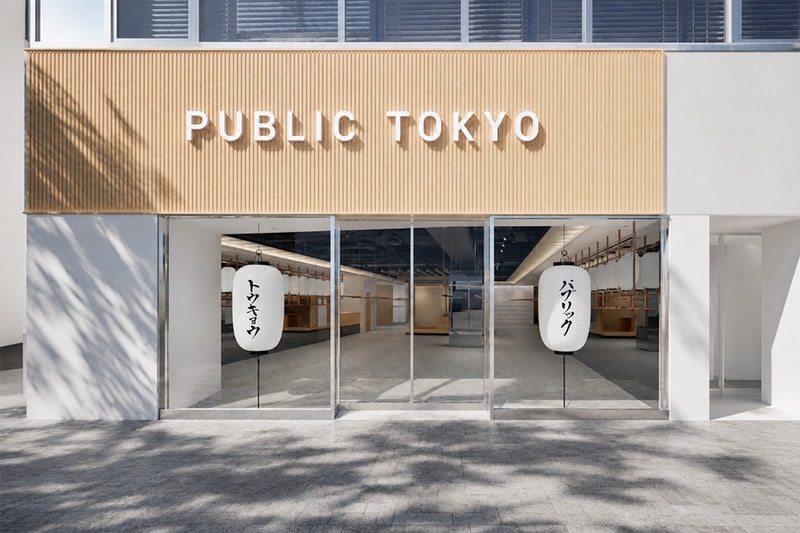
When a domestic Japanese fashion label opens a flagship store and the first word in the press materials is "sanctuary," you are not looking at a retail expansion. You are looking at a category announcement. PUBLIC TOKYO, the high-end casual line under the publicly traded TOKYO BASE group, has opened its first standalone location in Jingumae, Shibuya, and the 300-square-meter space reads less like a shop than like a pilgrimage site built for clothes.
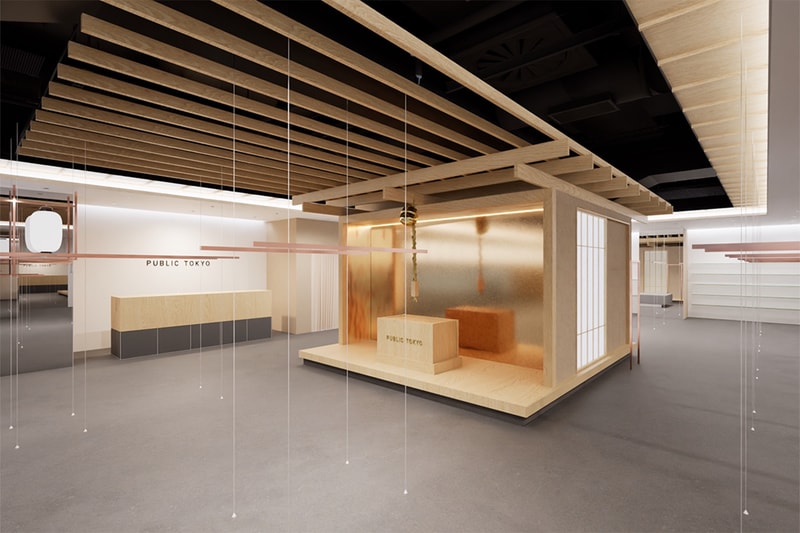
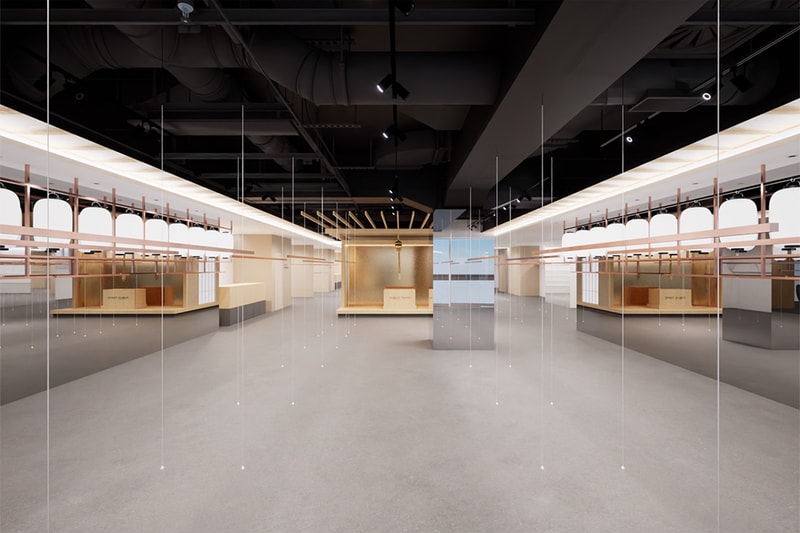
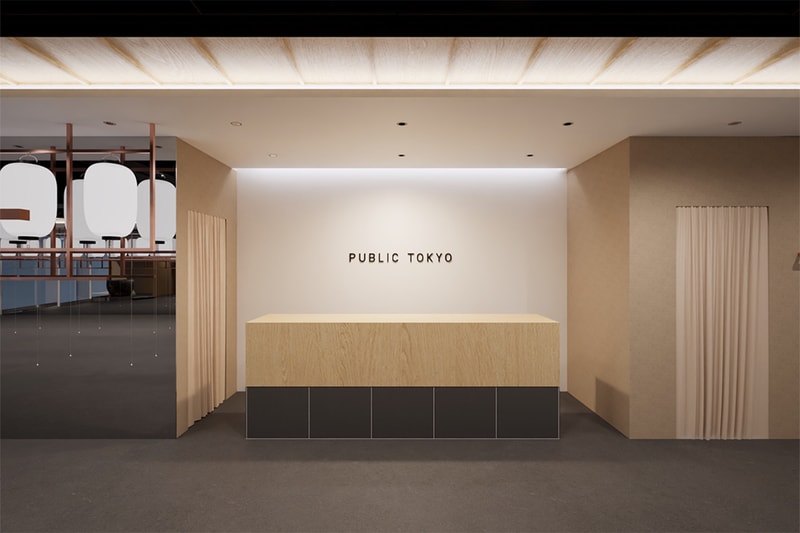
The interior borrows directly from shrine architecture: a central axis draws visitors through latticed partitions toward an innermost space, the layout echoing the progression from torii to haiden to honden. Lanterns punctuate the path. The merchandise, arranged in shallow alcoves rather than on traditional racks, sits where votive offerings would. The effect is deliberate spatial theatre, a store that asks you to slow down before you spend.
This is not the first time a Japanese brand has invoked traditional architecture in a retail context. Issey Miyake's Semba space in Kyoto and Beams Japan's Shinjuku flagship both nod to vernacular forms. But PUBLIC TOKYO is a different price bracket and a different customer: entry-level designer, positioned between UNIQLO and Comme des Garçons, selling to the domestic shopper who wants elevation without import markup. The shrine language is not an export play. It is a domestic identity claim.
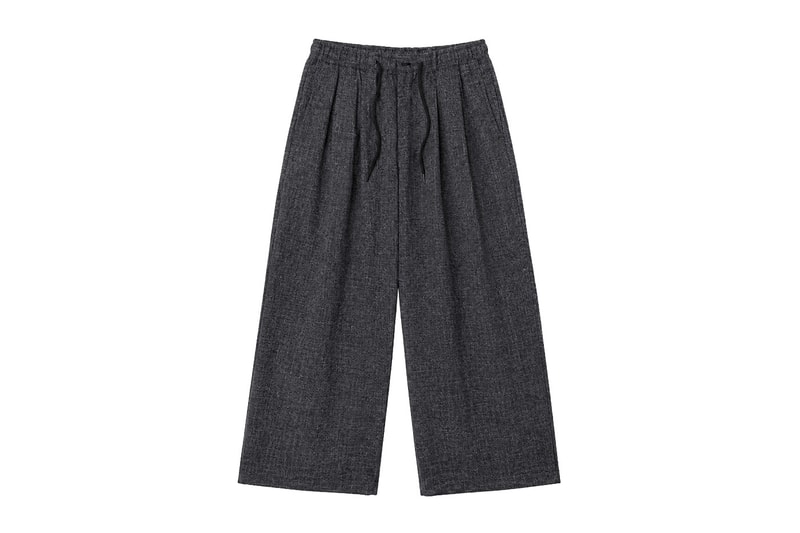
The timing matters. TOKYO BASE announced in its most recent investor presentation that it intends to double its physical retail footprint by 2028, even as total apparel retail square footage in Japan continues to contract. The company is betting that experiential retail, not e-commerce, will drive margin expansion for domestic brands. Jingumae is the first proof point. The store opened with exclusive launch items, including kimono-sleeve tees and hakama-inspired triple-tack trousers, garments that would photograph poorly on a product grid but make immediate sense when encountered in a space that frames them as artifacts.
What is drifting here is not the product. It is the vocabulary of the selling floor. A decade ago, Japanese domestic brands differentiated on fabrication and fit. Now the differentiation is architectural. The store becomes the editorial, the space becomes the story, and the purchase becomes a souvenir of having been somewhere. PUBLIC TOKYO is not the first to make this move, but it may be the first to make it at this scale and this price point for a purely domestic audience. The shrine is open. The question is whether the pilgrims will come.